

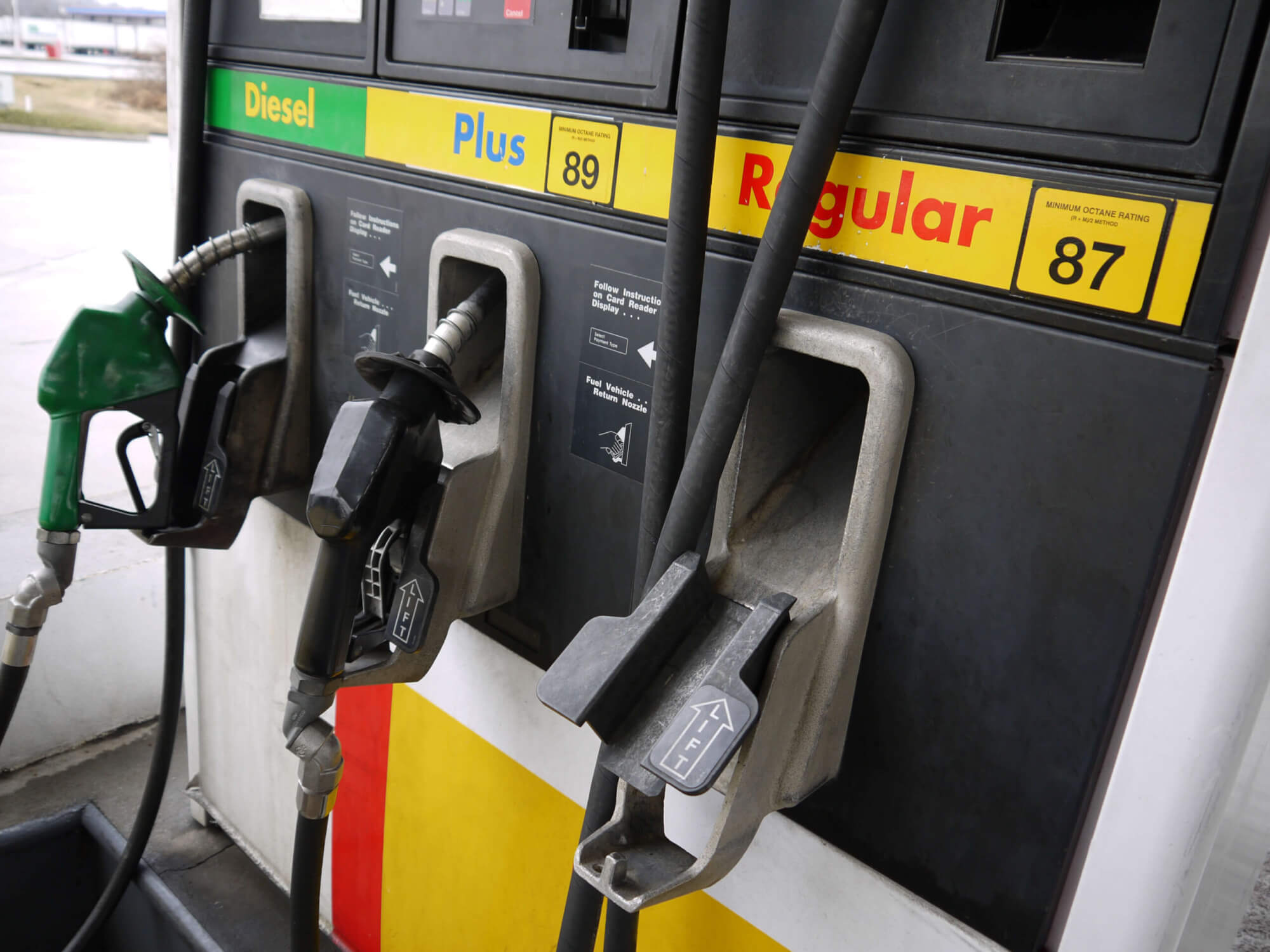
For the second time in four years, fleet operators are navigating a major fuel price spike. This one arrived faster than any on record. Diesel jumped 96 cents per gallon in a single week in early March, the largest weekly increase in the U.S. Energy Information Administration’s (EIA) records. It went on to break the 2022 record, hitting $6.53 in September, and averaged $6.20 per gallon in early October. EIA projects prices will stay well above 2025 levels through 2027.
The industry has noticed. The American Transportation Research Institute (ATRI) surveys trucking’s top concerns every year. This year, fuel prices ranked number one overall, after missing the top 10 in 2024 and 2025. Drivers ranked it first, and carriers ranked it second. It is only the fourth time in the survey’s 22 years that fuel has topped the list.
Fleets cannot control the price at the pump. They can control how much fuel each mile takes. The six changes below show how to build a fuel efficient fleet. They start with driver behavior and telematics data, then move through routing, vehicle upkeep, and purchasing controls.
Key Takeaways
- Non-fuel costs were already at a record when diesel spiked, leaving fleets little margin.
- At today’s prices, fuel adds roughly $30,000 a year to the cost of an average truck.
- Smaller fleets are the most exposed, since they pay retail prices and lack larger operators’ pricing power.
- Coaching drivers on idling, speeding, and harsh acceleration cuts fuel waste, and telematics shows where to start.
- Speeding, harsh braking, and rapid acceleration waste fuel and raise crash risk, so fixing them pays off twice.
Why This Fuel Price Spike Is Hitting Fleets So Hard
Diesel Supply Is Still Constrained
The conflict that began February 28 choked oil flows through the Strait of Hormuz. Data from the International Energy Agency shows flows were still nearly two-thirds below pre-war levels in August. Diesel is under extra pressure. EIA says global distillate supplies are tight because refining activity is down in Russia, China, and the Middle East. That has pushed up import costs and increased demand for U.S. diesel exports, leaving U.S. inventories well below average. EIA expects them to stay below average through 2027, which should keep diesel prices elevated.
Operating Costs Were Already Climbing
Fleets, like many businesses, were already absorbing rising costs. ATRI found that operating a truck cost a record $2.336 per mile in 2025, even with fuel steady. Diesel had its most stable year since the pandemic, and fuel stayed at about 48 cents per mile. The rest of the cost, $1.854 per mile, rose 4.2%, led by tolls, repairs, driver benefits, and tires.
Insurance has also been a constant source of pressure. ATRI’s data shows commercial auto premiums rising from 8.6 cents per mile in 2021 to 10.6 cents in 2025. Heavy-duty truck crash rates fell, yet ATRI points to rising per-crash costs and larger litigation payouts. Carriers reported premiums still climbing in early 2026.
Those costs were landing on already thin margins. Truckload carriers averaged an operating margin of just 0.4% in 2025, ATRI found, with costs rising against flat freight rates.
Fuel alone changes the math. At today’s $6.20 diesel average and ATRI’s 7.43 miles per gallon, fuel costs about 83 cents per mile, up from 48 cents in 2025. For a typical truck, that adds up to roughly $30,000 a year. Diesel did not hit a healthy industry, and a spike like this lands hardest on fleets with the least cushion.
How Rising Fuel Costs Impact Fleets of All Sizes
Small Fleets (2 to 25 Vehicles)
Small fleets face the steepest cost exposure. They typically purchase fuel at retail pump prices with no access to wholesale rates or futures hedging. ATRI found that truckload fleets with more than 1,000 trucks spent 8.8 cents less per mile on fuel than fleets with fewer than five. Many lack telematics, which means costly behaviors like excessive idling go undetected. Fuel surcharge formulas, if they exist at all, are often outdated and fail to recover actual costs at 2026 price levels.
Mid-Size Fleets (26 to 150 Vehicles)
Mid-size fleets often have some tools in place but use them inconsistently. Fuel cards may be present but unenforced. Telematics data may not be integrated with fuel spend reporting. Surcharge formulas frequently fail to recover actual costs at current prices because they're anchored to 2022 or 2023 conditions. Route optimization software may be available but underutilized.
Large and Enterprise Fleets (More Than 150 Vehicles)
Larger fleets have structural advantages. Examples include on-site fuel tanks that bypass retail premiums, futures hedging, AI-powered fraud detection, and automated fuel surcharge indexing tied to weekly EIA data. They can also reprice. Amazon added a 3.5% fuel and logistics surcharge to Fulfillment by Amazon fees in April, after saying it had absorbed higher costs until then. DHL eCommerce raised its domestic fuel surcharge by $0.14 per pound at every diesel price tier in May.
Systems explain most of the gap between these tiers. Fleets of any size that combine monitoring, coaching, and operational controls can reduce fleet fuel consumption without enterprise-scale purchasing or pricing power.
6 Changes That Cut Fuel Waste Across Your Fleet
1. Use Telematics Data to Find Where Fuel Is Wasted
Telematics shows which driver behaviors and vehicle patterns waste fuel. Without that data, managers work from fuel card totals and guesswork. With it, you can see exactly where fuel is being lost and which drivers and vehicles account for it.
Start with a baseline. Divide total miles by total gallons to calculate your fleet fuel economy, then track it monthly by vehicle. Four measures keep the picture clear:
- Miles per gallon by vehicle, to spot units that lag the rest of the fleet
- Avoidable idle hours by vehicle, separating waste from traffic, weather, and work that needs the engine running
- Harsh events by driver, to see which drivers generate the most
- Fuel cost per mile, to show whether your changes are paying off
Turn the Numbers Into Action
Measures help only when someone acts on them. A simple loop works: spot the avoidable waste, assign it to the right person, record the action taken, and check whether the numbers improved.
Report results in business terms, such as idle gallons, fuel saved, and cost avoided. Break them out by vehicle type, duty cycle, and climate so comparisons stay fair. Fleets that use more than one telematics provider can aggregate telematics data from multiple providers into a single view to keep those comparisons consistent.
The Driver Behaviors That Hurt Fleet Fuel Economy
ATRI research breaks down which behaviors contribute most to fuel waste: speeding (33%), hard acceleration (25%), idling (20%), hard turns (16%), and hard braking (6%). The first three account for most of it, and telematics can track each one.
Speed management: Aerodynamic drag rises sharply with speed. Research sponsored by the U.S. Department of Energy (DOE) found that about 65% of the energy a Class 8 truck uses at highway speeds goes to overcoming it. Telematics speed reports help fleet managers set and enforce speed policies that balance delivery timelines with fuel efficiency.
Harsh acceleration and braking: According to DOE, aggressive driving can lower fuel economy by 15 to 30% at highway speeds and 10 to 40% in stop-and-go traffic. Telematics devices track harsh events by driver and over time, so you can see whether the problem is a few drivers or a fleetwide habit.
Idling: A heavy-duty truck idling two hours per day burns about 584 gallons per year, based on the DOE’s estimate of 0.8 gallons per hour. At $6.20 per gallon, that is more than $3,600 per truck. Across a 25-truck fleet, idling alone can waste more than $90,000 in fuel. Telematics platforms flag vehicles that exceed idle time thresholds, so managers can set idle-reduction policies and see which vehicles break them.
Treat idling as an operational problem, not only a driver problem. A clear idle policy, telematics exception reports, and automatic shutdown settings work together to cut it. Context data, such as location and outside temperature, helps separate avoidable idling from traffic, weather, or engine needs.
Drivers also need alternatives, such as auxiliary power units, bunk heaters, or shore power. That equipment needs regular inspection, because when it fails, drivers often go back to idling the main engine. Track how often it is available and used, alongside idle hours.
Look beyond the truck, too. Telematics and detention data can show which docks, terminals, or customer sites keep engines running for long stretches. Fixing the process at those locations keeps the same idle time from repeating.
2. Optimize Routes to Reduce Fleet Fuel Consumption
Inefficient routing is one of the largest hidden drains on fleet fuel consumption. Routes that cross back over themselves, pass through congestion-heavy corridors, or fail to sequence stops logically add miles, idle time, and fuel spend to every shift.
Modern route optimization software accounts for traffic patterns, delivery windows, stop sequencing, and road conditions to calculate the most fuel-efficient path. Industry data suggests that optimized routing can reduce unnecessary fuel consumption by 15 to 30% in a typical fleet.
Even without dedicated routing software, fleet managers can take practical steps to reduce wasted miles. Audit your current routes quarterly against actual GPS data to identify recurring inefficiencies. Set geographic operating boundaries and monitor whether drivers are staying within their assigned service areas. Group stops by proximity rather than scheduling them in the order they were received.
3. Coach Drivers to Improve Fleet Fuel Economy
Driver behavior accounts for a significant share of fleet fuel economy variation. The University of Michigan Transportation Research Institute reports that neglecting eco-driving practices can reduce fuel economy by up to 45%. Those practices include speed management, smooth acceleration, and cruise control usage.
Once telematics shows which behaviors cost the most, effective coaching goes beyond telling drivers to “slow down” or “stop idling.” Specific skills that directly improve fuel efficiency include:
- Space management: Maintaining a consistent following distance reduces the stop-and-start cycle that wastes fuel through repeated braking and re-acceleration.
- Progressive shifting: For manual transmission vehicles, shifting at lower RPMs keeps the engine in its most fuel-efficient range.
- Anticipatory driving: Reading traffic flow and road conditions ahead lets drivers coast to decelerate instead of braking and then re-accelerating.
- Controlled highway speeds: Maintaining speeds between 55 and 65 mph keeps aerodynamic drag manageable. EPA SmartWay's rule of thumb is that each 1 mph increase reduces a heavy truck's fuel economy by about 0.1 mpg. A combination truck driving 55 mph uses up to 7% less fuel than one driving 65 mph. For vans and pickups, DOE's online calculator shows the cost of a higher speed at your own fuel price.
Download our defensive driving checklist to build these skills across your team.
The key is pairing coaching with data. Use telematics scorecards to show drivers their individual performance on idling time, harsh events, and speed compliance. Drivers who can see their own data and track improvement over time are far more receptive to behavior change than those who receive generic reminders.
Recognize improvement, too. When a driver's idle time or harsh events trend down, say so. Positive feedback keeps coaching from feeling like punishment and reinforces the habits you want to keep.
Fleets that want to formalize this approach can use online driver training programs with defensive driving and speed management courses. Managers assign courses based on specific performance gaps, not the same annual training for every driver.
4. Reduce Crash Risk to Protect Your Bottom Line
The same driving behaviors that waste fuel, including speeding, harsh braking, and rapid acceleration, are also the leading predictors of crash risk. Addressing them together means every dollar you invest in fuel efficiency also reduces your exposure to the costs that come with crashes.
Those costs add up fast. According to FMCSA crash cost estimates, a single commercial truck crash involving an injury can cost upwards of $150,000. That figure covers medical expenses, lost productivity, legal costs, and property damage. Fatal crashes run into the millions. Even a property-damage-only incident carries repair bills, downtime, and insurance premium increases that can far exceed what a fleet saves on fuel in an entire year.
This is where telematics data and driver training intersect. When your telematics platform flags a driver for harsh braking or consistent speeding, it signals both wasted fuel and elevated crash risk. Acting on that warning with targeted coaching or online driver training addresses both problems at once.
Fleets that integrate telematics with continuous license monitoring can go further. They can combine on-road behavior data with MVR violations, license status changes, and CSA incidents to build a complete risk profile for each driver. That visibility makes it possible to intervene before a pattern of risky behavior becomes a crash.
5. Maintain Vehicles and Trim Unnecessary Weight
A well-maintained vehicle is a fuel-efficient vehicle. Small mechanical issues that don't trigger a breakdown can silently erode fuel economy over thousands of miles.
Maintenance is also getting more expensive. ATRI found repair and maintenance costs rose 8.6% in 2025, and tire costs rose 6.4% to 5 cents per mile. Skipped tire pressure checks and service intervals can add repair bills on top of wasted fuel.
Tire pressure is the most accessible maintenance lever. DOE estimates that properly inflated tires can improve fuel economy by 0.6% on average, and up to 3% in some cases. Underinflation increases rolling resistance, forcing the engine to work harder. For a fleet running hundreds of vehicles, a systematic tire pressure check program pays for itself in fuel savings alone.
Engine oil and routine maintenance also affect fuel economy. Using the manufacturer-recommended oil grade can improve gas mileage by 1 to 2%. Fixing a serious maintenance issue like a faulty oxygen sensor can improve mileage by as much as 40%. Keeping up with scheduled service intervals prevents these small issues from compounding into significant fuel waste across a fleet.
Weight and cargo: Extra weight costs fuel. DOE estimates that an extra 100 pounds can reduce a vehicle’s mileage by about 1%, with a larger effect on smaller vehicles. DOE also says a large roof-top cargo box can reduce fuel economy by 10% to 25% at interstate speeds. For vans, pickups, and service vehicles, a quarterly check for unused tools, equipment, and racks is an easy way to cut weight.
Cold weather: Colder weather does not take these factors off the table. In city driving, a conventional gasoline vehicle's fuel economy is roughly 15% lower at 20 degrees Fahrenheit than at 77 degrees, according to DOE. On short trips, the drop can reach 24%. DOE also notes that warming up a vehicle by idling gets zero miles per gallon. Extra weight and unnecessary idling add to a seasonal penalty that is already there.
Air conditioning: Air conditioning is mainly a summer concern, but it is worth planning for. DOE says that under very hot conditions, air conditioning can reduce a conventional vehicle's fuel economy by more than 25%, particularly on short trips. Parking in the shade and letting hot air out of the cabin before turning on the air conditioning both reduce the load.
Tie your preventive maintenance schedule to telematics data rather than relying solely on mileage or calendar intervals. Vehicles operating in stop-and-go urban routes or extreme temperatures degrade faster and benefit from more frequent service intervals.
6. Tighten Fuel Card Controls and Purchasing Practices
Fuel card misuse and uncontrolled purchasing quietly erode fuel budgets, particularly for small and mid-size fleets. According to Motive, fleet leaders estimate that 19% of fleet spend is lost to fraud or theft.
Practical steps to reduce fuel purchasing waste include:
- Ask how your fuel is priced. Retail-based programs follow the pump price, which varies by station and by day. Programs tied to a wholesale benchmark, such as the OPIS rack price, plus an agreed margin can make costs steadier and bills easier to audit.
- Set transaction limits on fuel cards based on vehicle tank capacity and expected daily usage.
- Require fuel purchases at approved locations where your fleet has negotiated rates or discount programs.
- Cross-reference fuel card transactions with GPS data to verify that purchases match where the vehicle was. A fuel purchase in a city your driver was never dispatched to is an immediate red flag.
- Review fuel card reports monthly to identify outlier transactions, unusual purchasing patterns, or drivers consistently buying premium fuel when regular grade is specified.
Fuel prices are unpredictable. Driver behavior, route efficiency, vehicle maintenance, and purchasing controls are not.
Take Control of the Costs You Can Control
Fleet managers who treat fuel as a managed variable rather than a fixed cost can absorb price swings and protect margins. Pairing driver behavior and telematics data with purchasing, routing, maintenance, and fuel controls makes fuel efficiency an ongoing program with measurable results. The same changes that cut fuel waste make drivers safer: less speeding, less idling, and smoother driving. Improving fleet fuel efficiency can also reduce incidents, help hold down insurance premiums, and keep drivers on the road.
Fuel prices may ease, but EIA forecasts diesel will average $4.49 per gallon in 2027, compared with $3.66 in 2025. Habits built now keep paying off when prices fall.
If you're looking to formalize fuel-efficient driving standards across your organization, download our driver safety policy guide. It provides a framework you can customize to include fuel efficiency expectations alongside your existing safety protocols.